Skip Navigation or Skip to Content
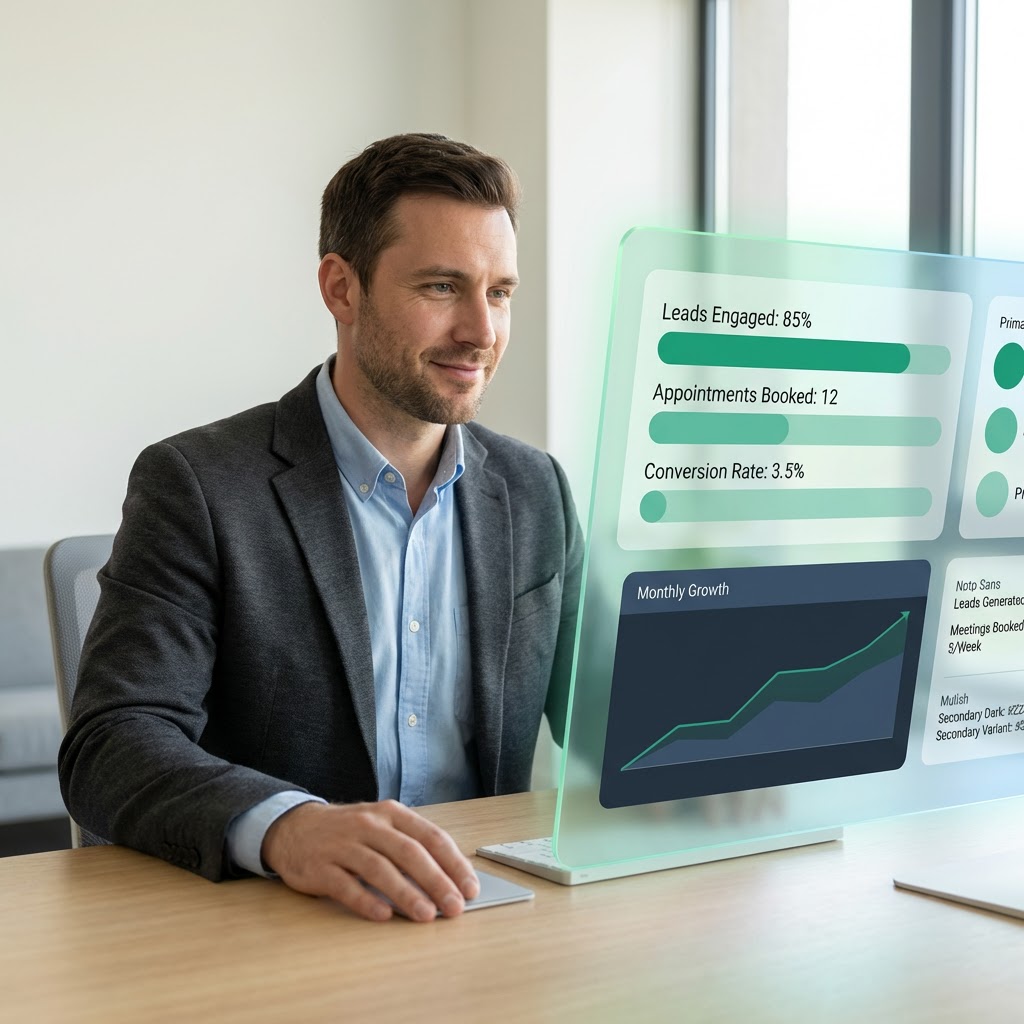
B2B sales executive reviewing CRM dashboard showing pipeline re-engagement analytics and deal reactivation metrics

Table of Contents

04 Apr 2026

Pipeline Re-Engagement: How to Revive Ghosted B2B Deals with AI

What Is Pipeline Re-Engagement and Why Does It Matter for B2B Revenue?

Every B2B sales organization is sitting on a graveyard of ghosted deals worth more than their current active pipeline. Pipeline re-engagement is the systematic process of identifying, prioritizing, and reactivating stalled or dormant deals in your CRM — using AI-powered workflows to recover revenue that most sales teams have already written off. According to Forecastio's 2026 pipeline analysis, only 21% of B2B organizations achieve quarterly revenue forecasts within a 5% margin of error, while 68% of sales teams consistently overestimate pipeline conversion rates by 15–30%. The result: an estimated $2.3 million in annual losses per company from poor pipeline visibility alone.

The problem compounds because most CRM systems treat dormant deals as administrative noise rather than strategic assets. Research from Outreach reveals that "zombie deals" — opportunities sitting dormant for months with no meaningful buyer engagement — artificially inflate pipeline coverage ratios while providing zero real revenue value. Meanwhile, your sales team chases net-new leads at 5–7x the cost of re-engaging a warm contact who already understands your value proposition.

This article is your architectural blueprint for building a pipeline re-engagement engine — one that uses agentic AI workflows, multi-channel sequencing, and CRM automation to systematically revive ghosted B2B deals at scale.

21%

Forecast Accuracy

Hit quarterly targets within 5%

$12.9M

Annual Data Cost

Poor contact data quality impact

61%

Decision Paralysis

Deals lost to indecision, not competition

287%

Multi-Channel Lift

Response increase vs. single channel

What you'll learn in this guide:

  • Why 61% of B2B deal losses stem from decision paralysis — not competitive displacement — and how to architect re-engagement around this reality
  • The five structural reasons deals ghost and the specific re-engagement timing for each scenario
  • How to deploy AI-powered multi-channel sequences that achieve 287% higher response rates than single-channel outreach
  • The exact CRM infrastructure — segmentation, scoring, and hygiene — required before launching any re-engagement campaign
  • How agentic AI systems autonomously monitor, prioritize, and reactivate dormant pipeline without manual intervention

Key Takeaway

Pipeline re-engagement is not a follow-up tactic — it is a revenue recovery system. B2B companies that treat dormant pipeline as a strategic asset rather than administrative noise unlock revenue already sitting in their CRM at a fraction of new-lead acquisition cost. The companies deploying AI-powered re-engagement systems are recovering deals their competitors have permanently abandoned.

B2B sales team collaborating around a screen showing AI-powered pipeline re-engagement workflow automation

Why Do B2B Deals Ghost? The Five Structural Root Causes

Understanding why deals stall is the prerequisite to building an effective re-engagement engine. Most sales leaders attribute ghosting to simple disinterest, but the research tells a different story. According to DemandGen Report, 61% of complex B2B deal losses stem from decision paralysis — not competitive pressure. When 6–16 stakeholders are involved in a purchase decision, the default momentum favors maintaining the status quo over moving forward.

B2B sales leader analyzing pipeline re-engagement data on tablet device in modern office

The psychology behind ghosting reveals a specific mechanism: affective forecasting. Research from Rosa Yupari shows that prospects go silent to avoid conversations they anticipate will be awkward, confrontational, or disappointing. They overestimate the emotional cost of engaging with your sales team and default to avoidance. The deal doesn't formally close — it simply loses energy as the prospect retreats to inaction.

Meanwhile, Forrester's 2025 research confirms that 70–80% of B2B buyer research now happens in channels marketing analytics cannot track — private Slack communities, LinkedIn DMs, peer recommendations, and AI assistant suggestions. This "dark funnel" creates blind spots in pipeline visibility that make re-engagement targeting significantly harder without the right CRM automation infrastructure.

Here are the five structural reasons B2B deals go dormant — and the re-engagement timing each requires:

Stall ReasonFrequencyOptimal Re-Engagement TimingPrimary Tactic
Budget Freeze40% of closing-stage lossesBefore next budget cycleROI calculator + updated packaging
Champion Departure35% of closing-stage lossesWithin 30 days of new hireLinkedIn monitoring + fresh intro sequence
Decision Paralysis61% of all losses14–21 days after silenceMicro-commitment framework
Competitive Displacement~15% of losses90 days before competitor renewalDifferentiation case study
Timing Mismatch25% of closing-stage lossesAt prospect's stated revisit dateValue-first resource + gentle check-in

Sources: Development Corporate, DemandGen Report

Avoid This Mistake

Do not treat all ghosted deals with the same re-engagement cadence. A deal stalled by a CFO-mandated budget freeze requires fundamentally different timing and messaging than a deal lost to decision paralysis. Segment your dormant pipeline by stall reason before launching any re-engagement sequence — otherwise you waste budget and burn warm relationships with tone-deaf outreach.

How Much Revenue Is Hiding in Your Dormant Pipeline?

The financial case for pipeline re-engagement is overwhelming — and most B2B leaders dramatically underestimate it. Poor contact data quality alone costs organizations an average of $12.9 million annually, with companies losing approximately 15% of their revenue due to inaccurate contact information, according to Landbase's 2025 analysis. Contact data decays at 2.1% per month, compounding to 22.5% annual decay — meaning even freshly verified databases become unreliable within months.

The cost equation shifts dramatically when you compare re-engagement economics to new-lead acquisition. Re-engaging a warm contact who already understands your positioning, has met your team, and has been through discovery costs a fraction of acquiring and educating a net-new prospect. Research confirms that B2B lead nurturing through re-engagement sequences delivers 8:1 ROI for high-ticket services — far exceeding the returns on cold outbound alone.

Data visualization infographic showing B2B pipeline re-engagement funnel statistics and recovered revenue metrics
MetricNew Lead AcquisitionPipeline Re-Engagement
Average CAC$2,000–$10,000$200–$800
Average Response Rate3.4% (cold email)10%+ (elite re-engagement)
Time to First Meeting14–45 days3–10 days
Prospect AwarenessZero (cold)High (prior engagement)
Sales Cycle Length70–185 days30–90 days (compressed)

Sources: Tario, Focus Digital, Landbase

Key Takeaway

Your dormant pipeline is not dead — it is dormant capital. The math is clear: re-engaging warm contacts costs 5–10x less than acquiring new leads, compresses sales cycles by 40–60%, and starts from a position of existing relationship equity. Every month you ignore dormant pipeline is a month you are paying premium prices for revenue that already exists in your CRM.

What CRM Infrastructure Does Pipeline Re-Engagement Require?

Before launching any re-engagement campaign, your CRM must be clean, segmented, and scored. Seventy percent of CRM systems contain outdated, incomplete, or inaccurate information, with average B2B data provider accuracy at only 50%, according to Landbase. Launching re-engagement sequences against dirty data wastes budget, damages sender reputation, and burns warm relationships with bounced or misdirected outreach.

The prerequisite infrastructure spans three layers: data hygiene, segmentation logic, and scoring models. Your CRM and marketing automation integration must support automated workflows that continuously validate contact data, flag stale records, and route re-engagement candidates to the appropriate sequence based on their stall reason and recency.

1

Audit and Clean Your Dormant Pipeline

Run fuzzy matching algorithms to identify duplicates. Flag records missing critical fields (email, company, lifecycle stage). Remove contacts with hard bounces. Validate remaining emails and phone numbers against current data — remember, email addresses show 23–30% annual decay and phone numbers change at 18% yearly. Sales representatives waste approximately 500 hours annually (62 working days) correcting contact information — automate this before launching re-engagement.

2

Segment by Stall Reason and Deal Value

Categorize every dormant deal into one of the five structural stall reasons (budget freeze, champion departure, decision paralysis, competitive loss, timing mismatch). Cross-reference with original deal value and time since last engagement. High-value deals that stalled less than 6 months ago with champion still in role are your highest-priority re-engagement targets.

3

Deploy the Stalled Deal Index

Implement the Stalled Deal Index — a metric that flags deals exceeding their average time-in-stage by 20% or more. This proves more predictive of revenue miss than traditional pipeline size measurements and enables early intervention before deals go fully dormant.

4

Build Re-Engagement Scoring Models

Score dormant contacts based on: recency of last engagement, original deal value, intent signals (website visits, content downloads, LinkedIn activity), company growth indicators (funding rounds, hiring sprees, leadership changes), and stall reason severity. Route high-scoring contacts to personalized multi-channel sequences; route low-scoring contacts to automated nurture drips.

Professional reviewing CRM pipeline view showing dormant deals being reactivated through AI automation

How Do Multi-Channel Re-Engagement Sequences Work?

Single-channel outreach is dead for pipeline re-engagement. Research from Instantly demonstrates that multi-channel outreach combining email, LinkedIn, and phone increases response rates by 287% compared to single-channel efforts. The mechanism operates through progressive familiarity: prospects touched across channels begin recognizing your name and positioning before being asked for commitment, shifting subsequent outreach from cold to warm framing.

Modern office desk with multiple screens showing AI automation tools for pipeline re-engagement campaigns

LinkedIn messaging specifically outperforms email for B2B re-engagement. According to Kliq Interactive's 2025–2026 benchmarks, LinkedIn direct messages achieve 10.3% response rates compared to 5.1% for cold email — more than double the engagement. Connection requests show 45% acceptance rates, and personalized first-degree messaging sees 39% positive reply rates. This makes LinkedIn outreach the highest-converting channel for re-engaging B2B decision-makers who have gone dark.

The optimal multi-channel sequencing follows a specific weekly rhythm:

DayChannelActionPurpose
MondayEmail9-word re-engagement emailPattern interruption + low-friction response
WednesdayLinkedInConnection request or InMail with contextProfessional credibility + social proof
ThursdayEmailValue-first resource (case study, report)Rebuild trust without sales pressure
FridayPhone/SMSBrief voicemail or textUrgency + synchronous dialogue opportunity
Next TuesdayEmailBreakup email with A/B/C optionsPermission to exit + feedback collection

Sources: Instantly, GrowLeads

The 24–48 hour spacing between channels prevents messages from blurring together while creating sufficient frequency for name recognition. Research from Tario confirms that in cold email sequences, 58% of all replies arrive from the first email — but remaining follow-ups (steps 2–7) contribute 42% of replies, proving that sequence persistence remains critical.

Stop leaving revenue dormant in your CRM. Explore our Sales Administration systems to see how peppereffect architects pipeline re-engagement engines for B2B companies.

See Sales Administration Systems

What Are the Most Effective Re-Engagement Email Frameworks?

Three proven email frameworks dominate B2B pipeline re-engagement — each engineered for a specific psychological trigger. The right framework depends on how long the deal has been dormant and the relationship depth your sales team established before ghosting occurred.

Framework 1: The 9-Word Email (Dean Jackson Method)

The 9-word email structure is deliberately minimal: "Hi [Name], are you still looking for [the thing you offer]?" This creates pattern interruption by breaking from formal sales language prospects expect. It leverages reciprocity — the prospect recognizes minimal investment in the message and responds accordingly. Critical to effectiveness: restrict to nine words, send from a personal business email, and never send from marketing automation platforms. The message must feel like private correspondence, not a mass campaign.

Framework 2: The Breakup Email (Permission to Exit)

Breakup emails achieve 76% reply rates when structured around psychological principles of permission to exit and value-first positioning, according to GrowLeads. The mechanism removes sales pressure: prospects feeling relieved of pushy expectations become willing to respond honestly about continued interest. A proven structure: "I haven't heard back — I'm guessing one of three things happened: (A) You're not interested, (B) Timing isn't right, or (C) Someone else is handling this. Reply with A, B, or C and I'll adjust accordingly."

Framework 3: The Value-First Resource Drop

When prospects feel offered genuine insight with zero expectation of response, they reframe the sender as a trusted advisor rather than a salesperson. A typical value-first structure sends a relevant case study or industry analysis linked to the prospect's original interest area, with messaging explicitly stating: "No sales pitch, just something useful given what we discussed about [specific challenge]." This transitions from transactional to educational framing and creates permission for prospects to re-engage without sales pressure.

How Does AI Automate Pipeline Re-Engagement at Scale?

Agentic AI systems have transformed pipeline re-engagement from a manual, reactive process into a systematic, autonomous machine. Unlike rule-based automation executing predefined tasks, agentic AI behaves as a strategic co-worker — plugging into your revenue systems, understanding business goals, and proactively taking action from lead engagement to campaign optimization. According to Kewmann's 2025 research, these systems continuously scan for revenue opportunities hidden in data, execute campaigns without manual input, and learn through feedback and outcome analysis.

The architecture of an AI agent workflow for pipeline re-engagement involves four autonomous capabilities:

CapabilityWhat It DoesBusiness Impact
Signal MonitoringScans CRM, LinkedIn, and intent data for re-engagement triggers (job changes, funding rounds, website revisits)Identifies optimal re-engagement windows automatically
Data EnrichmentValidates and updates dormant contact records with current email, phone, title, and company statusEliminates the 22.5% annual data decay problem
Sequence OrchestrationSelects and deploys the right email framework, channel mix, and timing based on stall reasonRemoves manual sequencing decisions from sales reps
Autonomous ScoringRe-scores dormant contacts based on real-time engagement signals and contextual changesSurfaces highest-probability re-engagement targets first

Sources: Kewmann, Ability.ai

Desktop AI sales automations represent a particularly powerful re-engagement mechanism. According to Ability.ai, modern systems deploy parallel "sub-agents" — multiple AI instances handling subsets of dormant records simultaneously. Each sub-agent independently scrapes current LinkedIn profiles to identify job changes, analyzes email thread histories to understand previous deal failure points, and prioritizes accounts based on new qualification criteria. The system compiles a prioritized list with communication summaries for each prospect, generating highly targeted re-engagement campaigns from dormant CRM data without a single manual touchpoint.

This is the architecture behind what we call the Freedom Machine — an autonomous operating system that eliminates the manual labor of pipeline management and replaces it with logic-gated, AI-driven execution. When agentic workflows handle the monitoring, enrichment, scoring, and sequencing of dormant pipeline, your sales team focuses exclusively on closing warm conversations that the system surfaces.

Key Takeaway

AI-powered pipeline re-engagement eliminates the two biggest bottlenecks in deal recovery: manual identification (which deals to re-engage) and manual execution (how to reach them). Agentic systems that autonomously monitor signals, enrich data, select frameworks, and orchestrate multi-channel sequences convert dormant pipeline into active revenue without proportional headcount investment.

Frequently Asked Questions

How long should I wait before re-engaging a ghosted B2B deal?

The optimal timing depends on why the deal stalled. For decision paralysis, re-engage within 14–21 days while your value proposition remains fresh. For budget freezes, time your outreach to precede the prospect's next budget cycle. For competitive losses, the sweet spot is approximately 90 days before the competitor's typical renewal window. For champion departures, monitor LinkedIn for the new hire and initiate within 30 days of their start date. Applying a single blanket timing rule to all stall reasons is the most common re-engagement mistake — segment first, then sequence. Your pipeline automation should handle this routing automatically.

What response rate should I expect from pipeline re-engagement campaigns?

Elite re-engagement campaigns targeting previously engaged contacts achieve 10%+ reply rates, compared to 3.4% average for cold email outreach. Breakup emails specifically achieve up to 76% reply rates when structured correctly. Multi-channel sequences combining email, LinkedIn, and phone deliver 287% higher response rates than single-channel efforts. The key variable is personalization depth — generic blast re-engagement performs at cold outreach levels, while contextually relevant messaging tied to the prospect's original interest area performs at warm outreach levels.

What is the 9-word email and does it work for B2B re-engagement?

The 9-word email, developed by Dean Jackson, is a minimalist re-engagement framework: "Hi [Name], are you still looking for [solution]?" Its effectiveness stems from pattern interruption — it breaks through inbox clutter by looking nothing like a marketing email. The format must be sent from a personal email address (not automation platforms), restricted to approximately nine words, and framed as genuine inquiry rather than sales pitch. Multiple B2B verticals have validated its effectiveness for reactivating partially engaged prospects who have gone dormant.

How does CRM data quality affect pipeline re-engagement success?

Data quality is the foundation that determines whether re-engagement succeeds or wastes budget. Contact data decays at 2.1% per month (22.5% annually), email addresses show 23–30% annual decay, and phone numbers change at 18% yearly. High-accuracy data providers delivering 97%+ accuracy actually cost 16.5% less overall than low-accuracy alternatives when calculating total cost of ownership. Before launching re-engagement, audit your dormant pipeline for duplicates, validate email addresses, and enrich records with current job titles and company status using your CRM automation tools.

Can AI fully automate pipeline re-engagement or do I need human involvement?

AI can automate approximately 80% of the pipeline re-engagement process — signal monitoring, data enrichment, scoring, sequence selection, and multi-channel orchestration. The remaining 20% benefits from human-in-the-loop oversight: reviewing high-value deal re-engagement strategies, personalizing messaging for executive-level contacts, and handling live conversations once prospects re-engage. The most effective architecture deploys AI for volume processing and pattern recognition while routing high-priority re-engaged prospects to human sales conversations for closing.

How do I measure the ROI of pipeline re-engagement campaigns?

Track five metrics: re-engagement response rate (target: 10%+), re-activated pipeline value (total ARR of deals moved from dormant to active), re-engagement CAC (should be 5–10x lower than new-lead CAC), compressed sales cycle length (re-engaged deals typically close 40–60% faster), and recovered revenue attribution (closed-won deals that originated from re-engagement sequences). Compare these against equivalent new-lead acquisition costs to calculate your automation ROI. Most B2B companies discover that dormant pipeline recovery delivers the highest ROI of any sales motion.

Stop Ignoring the Revenue Already in Your CRM

peppereffect architects AI-powered pipeline re-engagement systems that autonomously identify, prioritize, and reactivate your dormant B2B deals — compressing sales cycles, eliminating manual follow-up, and recovering revenue at a fraction of new-lead acquisition cost.

Book Your Growth Mapping Call

Explore our Sales Automation architecture →

Resources

Related blog

B2B marketing team analyzing landing page conversion data on dashboard screens in modern tech office with heatmaps and A/B test results
04
Apr

Conversion Rate Optimization for B2B Landing Pages: The Engineering Approach

High-ticket consultant reviewing automated business operations dashboard showing 7-figure revenue with minimal weekly hours
04
Apr

How High-Ticket Consultants Build 7-Figure Operations With Less Than 5 Hours per Week

Executive recruiter in modern high-rise office reviewing LinkedIn executive search candidate profiles on curved monitor
03
Apr

LinkedIn for Executive Search: Building a High-Status Network That Generates Mandates

THE NEXT STEP

Stop Renting Leverage. Install It.

Together we can achieve great things. Send us your request. We will get back to you within 24 hours.


Group 1000005311-1